Dark Stories for Dark Nights
 I have written before about my liking for Scandi/Nordic Noir and recently have listened to the audiobooks (on Libby) of the first two in a series by Icelandic author Ragnar Jonasson.
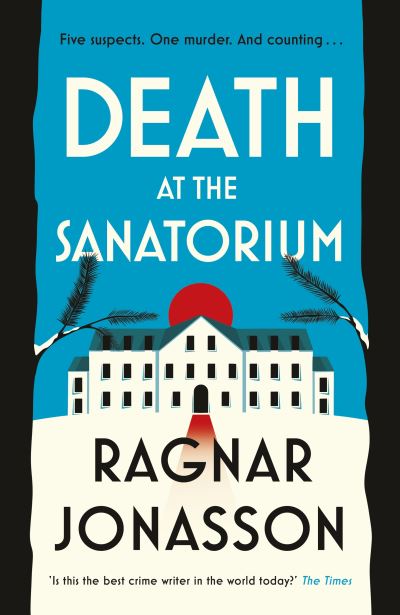
Death at the Sanatorium is the first - featuring Helgi Reykal a university graduate finishing off his studies to become a police Criminologist. As part of his course he is studying the cold case of murders which took place 20 years previously in a local Sanitorium and in the course of interviews with witnesses discovers new evidence. But it is the character of Helgi himself who I was most intrigued by – he collects old crime novels - a fascination that started because of his father’s bookshop. Helgi reads them over and over to relax, and to escape from the reality of the difficult personal relationship he finds himself in.
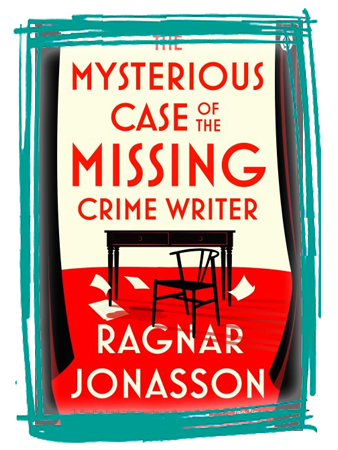
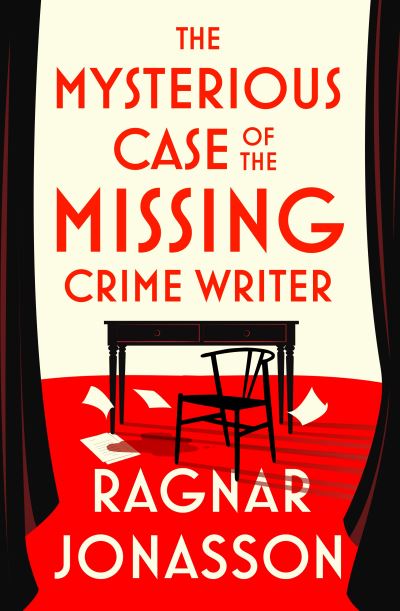 The second book in the series is The Mysterious Case of the Missing Crime Writer which follows on directly from the first with Helgi’s studies now complete, and as a fully fledged member of the police force he is handed this case. His passion for Crime novels is known to his boss and seems to be just up his street - but the case becomes bigger and more complex than expected as Helgi investigates. His personal life is just as intriguing as the case carrying on from the first novel and keeps us engaged.
The author has a tendency to end each book on a cliff hanger which builds anticipation for the next although this can be frustrating especially when you realise that the third in the series will not be published until later this year!
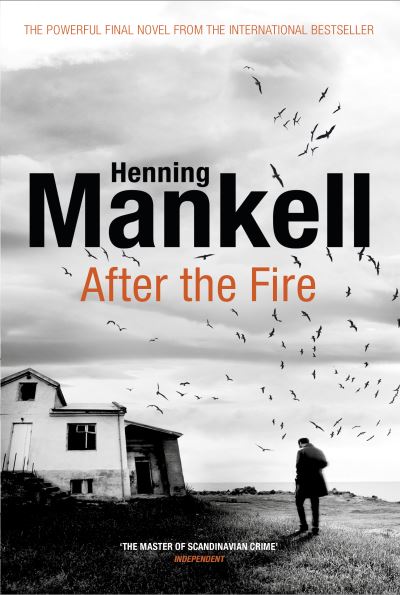
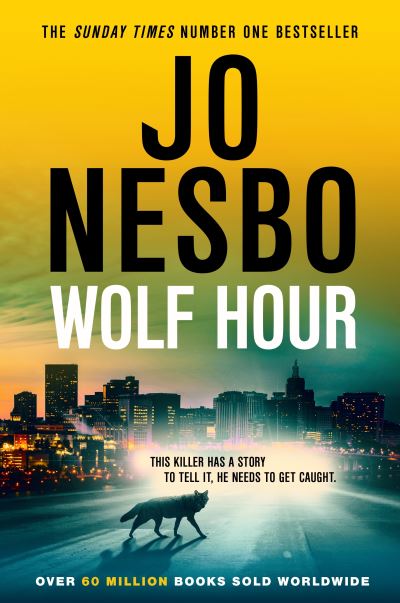
Scandi Noir can be quite dark and menacing, perhaps reflecting the long darkness and cold that each winter brings to that part of the world but there is a certain appeal to their novels that seems to grip us as readers. Just think of the success of The Girl With the Dragon Tattoo series as well as Wallander by Henning Mankell and the Harry Hole novels by Jo Nesbo among others.
The novels in this series by Ragnar Jonasson are perhaps slightly lighter than those mentioned above but, as with all good crime books, there is a certain amount of jeopardy that needs to be evident to keep us reading.
I do love the many references to the many crime novels that the character reads though through the course of the books – as well as the fact that the author himself has translated many Agatha Christie books into Icelandic as a sideline when he was a student, an exercise which presumably helped him subsequently in his own career as a crime novelist.
Books on Libraries NI Catalogue: