The Emperor of Gladness by Ocean Vuong
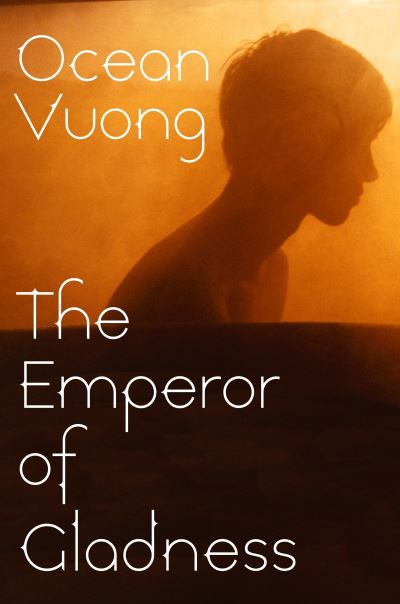
Ocean Vuong’s The Emperor of Gladness is a quietly powerful, deeply humane novel that explores grief, belonging and the fragile ways people hold one another up. Set in a fading American town, the story follows Hai, a young Vietnamese American man adrift after personal trauma, and Grazina, an elderly Lithuanian widow living with the onset of dementia. When their lives intersect, an unlikely bond forms, shaped by care, misunderstanding and moments of unexpected tenderness.
Vuong writes with the sensibility of a poet, his prose lyrical yet precise, attentive to small details that carry emotional weight. Themes of migration, memory and marginality run throughout, but never feel imposed. Instead, they emerge through the rhythms of daily life, through conversations, silences and shared routines. The title gestures towards a kind of emotional inheritance, the question of how one finds or constructs joy in a world marked by loss.
The novel excels in its characterisation. Hai’s vulnerability feels authentic and unsentimental, while Grazina is rendered with dignity and complexity as her cognitive decline progresses. Their relationship is at the heart of the book, resisting easy definitions and highlighting the possibility of connection across age, culture and experience.
At times, the pacing is deliberately slow, and readers expecting a conventional plot may find it meandering. However, for those willing to settle into its cadence, the novel offers a rewarding and moving meditation on care, survival and the search for meaning. This is a novel that lingers, inviting reflection long after the final page.